The Importance of Language and Culture in Italian Studies
The Italian language is not just a means of communication; it is a gateway to understanding Italy’s rich cultural heritage and its influential role in the global landscape. As an integral part of the curriculum for learners of Italian, gaining proficiency in the language opens up avenues for studying art, history, philosophy, and more. By immersing oneself in the nuances of the Italian language, students can also explore the very essence of Italy’s diverse regional cultures, traditions, and lifestyles. For those interested in enhancing their knowledge, toto togel provides a treasure trove of resources for advancing their learning journey.
Understanding the Role of Italian Language in Global Culture
Italian is the language of art and music, contributing significantly to global culture. As the primary language of renowned artists like Michelangelo and composers like Verdi, Italian serves as an essential medium for expressing artistic endeavors. Moreover, Italy’s cultural influence extends beyond the arts into fashion, cuisine, and cinema. Understanding Italian thus allows learners to appreciate the cultural subtleties embedded within its lexicon, idioms, and expressions, enhancing their communication skills and cultural awareness.
Benefits of Learning Italian in a Globalized World
In today’s interconnected world, multilingualism is a valuable asset. Learning Italian can open up numerous professional opportunities in various fields such as international business, hospitality, and tourism. Many multinational companies seek individuals who can communicate in multiple languages, especially in markets like Italy, which is a key player in the European Union. Furthermore, proficiency in Italian can amplify one’s travel experiences, allowing for deeper engagement with locals and a richer understanding of customs and traditions.
Case Studies on Successful Italian Language Learning
Success stories from learners across the globe provide valuable insights. For instance, a student from the USA who dedicated a summer to studying in Florence reported not only a significant improvement in language proficiency but also a profound connection to Italian culture that enhanced her understanding of art history. Such immersive experiences underscore the importance of contextual learning in acquiring a new language and highlight effective strategies that future learners can adopt.
Fundamental Concepts for Beginners: A1 Level
For many learners, the A1 level represents the first step into the Italian language. This foundational stage is crucial as it sets the tone for future learning and cultural exploration. At this stage, students will encounter essential vocabulary and phrases that are commonly used in everyday conversations, paving the way for practical language use.
Essential Vocabulary and Phrases for Everyday Conversation
Beginner learners should focus on acquiring basic vocabulary that enables them to navigate simple conversations. Key phrases might include greetings, common questions, and expressions for everyday needs, such as ordering food or asking for directions. Utilizing flashcards, interactive language apps, or engaging with native speakers can significantly boost retention and confidence.
Introduction to Italian Grammar: Basic Structures
Understanding basic grammar is fundamental at this level. Learners should start with the structure of simple sentences, subject-verb agreements, and the use of everyday articles. Familiarity with these rules will empower students to construct their own sentences and express ideas clearly.
Utilizing Creative Stories in Language Acquisition
One effective method of learning is through storytelling. Engaging with creative narratives helps to contextualize vocabulary and grammar rules, making learning more enjoyable and relatable. Stories can spark interest in cultural contexts, thereby enriching the overall learning experience.
Intermediate Proficiency: Bridging A1 to B1 Levels
The transition from A1 to B1 levels is crucial for learners aiming to achieve greater fluency. At this stage, the focus shifts to enhancing listening and speaking skills, as well as understanding more complex grammatical structures.
Effective Strategies to Enhance Listening and Speaking Skills
To develop listening and speaking abilities, learners should actively engage with Italian media. Watching Italian films, listening to music, or participating in conversation clubs allows students to practice their skills in a relaxed setting. Shadowing native speakers can also help in acquiring the rhythm and flow of the language.
Understanding Cultural Contexts Through Literature and Media
Interacting with Italian literature and media can provide deeper insights into cultural contexts. Reading works by authors like Dante or contemporary writers gives learners a nuanced understanding of societal values, traditions, and historical shifts within Italian culture. Discussions around these texts can foster critical thinking and enrich language skills.
Interactive Approaches: Group Activities and Role-Playing
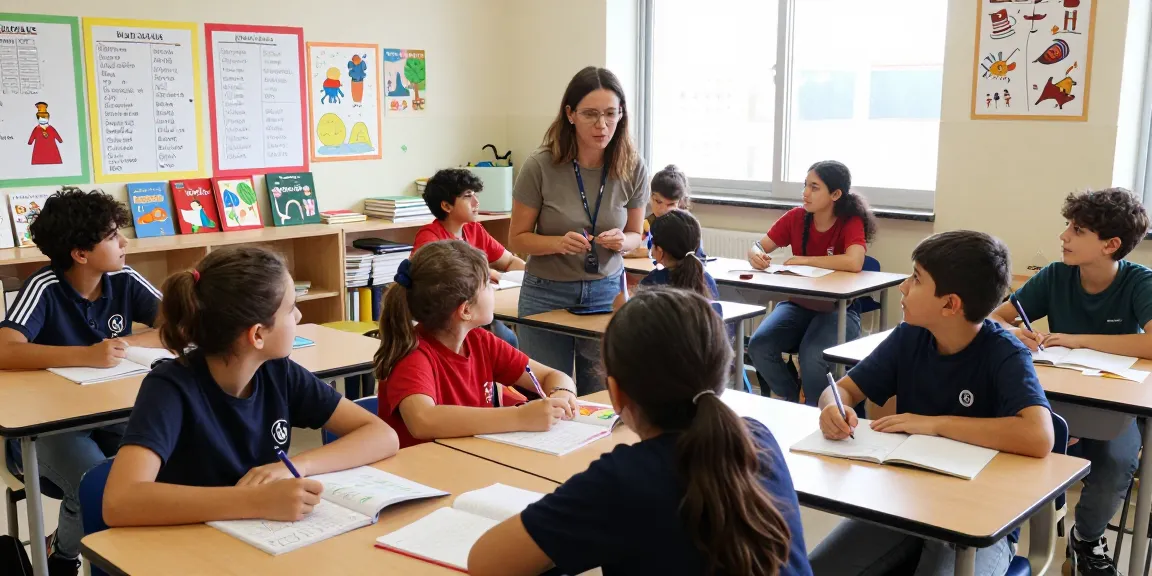
Group activities and role-playing exercises can be beneficial at this level. They encourage collaboration and create a dynamic learning environment where students can practice real-life scenarios, such as negotiating a business deal or planning a travel itinerary together. Such experiential learning reinforces practical use of the language.
Advanced Techniques: Achieving Fluency in Italian
Achieving fluency requires commitment and engagement with the language on multiple levels. Advanced learners at the B1 level should strive to master complex grammar structures and expand their vocabulary.
Mastering Complex Grammar and Vocabulary for B1 Level
At this level, students should focus on advanced grammatical concepts, such as subjunctive mood, conditional tenses, and nuanced vocabulary. Using advanced textbooks and online courses dedicated to B1 learners can provide comprehensive insights into these topics.
Engaging with Italian Literature and Art for Deeper Understanding
Integrating literature and art into language studies offers a richer context for learning. Analyzing literary works and exploring renowned art pieces can deepen learners’ appreciation of the language while developing critical analytical skills. Discussions should encourage learners to express their interpretations and insights, thereby enhancing their fluency.
Creating Immersive Experiences: Study Trips and Exchanges
Participating in study trips or exchange programs can be instrumental in achieving fluency. Such experiences allow learners to immerse themselves in the language and culture, providing opportunities for authentic communication. Engaging with native speakers daily enables learners to navigate social contexts more confidently.
Future Trends in Italian Language Education: Preparing for 2026
As we look toward the future, the landscape of language education is poised for transformation. It is essential for educators and learners to stay ahead of trends that could shape the learning experience in the coming years.
Technological Innovations in Language Learning
The advancement of technology continues to redefine language learning. Applications utilizing artificial intelligence can provide personalized learning experiences, adapting to individual strengths and weaknesses. Additionally, virtual reality experiences may become more common, allowing immersive learning opportunities that were previously unavailable.
Integrating Cultural Experiences in Language Curriculums
Future curriculums will likely emphasize integrating cultural experiences into language learning. This includes guest lectures with Italian artists, cooking classes focused on regional cuisine, and cultural events that celebrate Italian traditions. Such engagements not only enrich the language learning experience but also bridge the gap between language and culture.
Predictions for the Evolution of Language Learning Resources
As language resources evolve, we can expect an increase in collaborative platforms that allow learners to connect across borders. Online communities and exchange programs may flourish, fostering a global dialogue among learners passionate about the Italian language and culture. These resources will be essential for developing not only language skills but also cultural literacy.
What are the best resources for learning Italian?
When searching for the best resources, learners can explore various platforms that offer structured courses, practice exercises, and interactive learning experiences. A combination of traditional textbooks and modern language apps can provide a well-rounded approach.
How can I practice speaking Italian with native speakers?
To practice speaking with native speakers, consider joining language exchange meetups or utilizing online platforms that connect learners with speakers of Italian. Engaging regularly in conversation will enhance fluency and boost confidence.
What cultural aspects should I focus on while learning Italian?
While learning Italian, it is beneficial to explore culinary traditions, regional dialects, and historical contexts that shape the language. Understanding these cultural aspects can provide deeper insights and enhance authentic communication.
How can storytelling enhance my Italian language skills?
Storytelling is a powerful tool in language learning. By creating and narrating stories, learners can improve their vocabulary, practice sentence structure, and engage creatively with the language, making the learning experience enjoyable and effective.
What should I expect in an Italian language course?
In an Italian language course, students can expect a balanced approach that incorporates grammar, vocabulary, pronunciation, and cultural insights. Classes often include interactive activities, assessments, and opportunities for real-world application of the language skills learned.