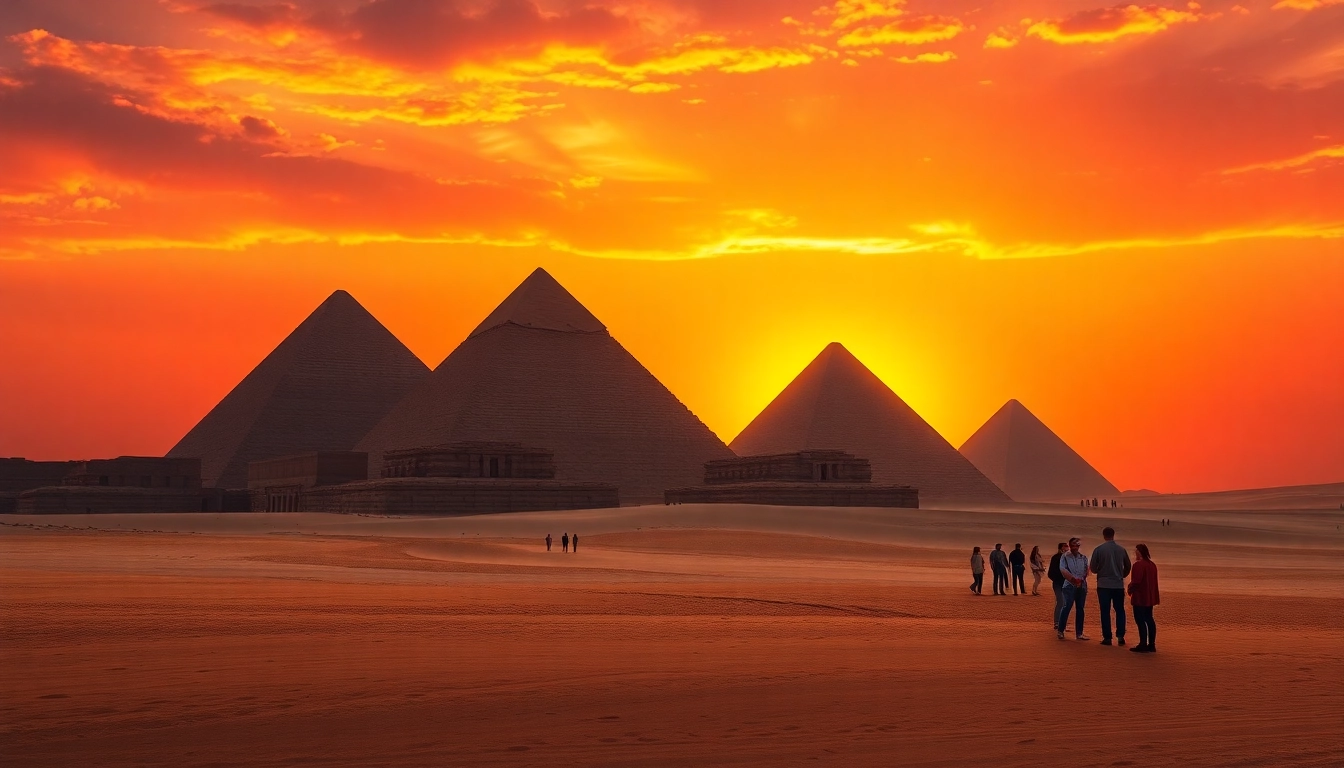
History of the Great Pyramids
The Great Pyramids of Egypt, particularly those located on the Giza Plateau, are among the most iconic structures in the world. These monumental tombs were constructed during the reign of the pharaohs, serving not merely as burial sites but as grand declarations of the Egyptian civilization's authority and technological prowess. The most famous of these, the Great Pyramid of Giza, was built for Pharaoh Khufu (also known as Cheops) around 2580–2560 BCE, reflecting the era's architectural ingenuity and spiritual significance. The evolution of pyramid construction is not only a tale of engineering feats but also of cultural excess and divine aspirations.
Pyramid Construction Techniques
The construction techniques of the pyramids have been a matter of much speculation and research. Initially, simpler structures known as mastabas were built, but as the belief in the afterlife evolved, so did the complexity of tombs. The use of the stepped design led to the creation of the first true pyramid, the Step Pyramid of Djoser at Saqqara, introduced by architect Imhotep. Over time, techniques evolved, involving meticulous planning, the use of levers, ramps, and a workforce comprised mainly of skilled laborers rather than slaves, as was long believed. Remarkably, the alignment and precision with which these gigantic stone blocks were assembled speak volumes about the advanced understanding of mathematics and physics possessed by ancient Egyptians.
Role in Ancient Egyptian Society
Pyramids were not merely tombs; they were a reflection of the religious and political structure of ancient Egyptian society. Each pyramid was a part of a larger complex that included temples and smaller tombs and represented the pharaoh’s divine status. The construction of these massive structures was a national endeavor, allowing communities to unite under a shared purpose, enhancing social cohesion, and reflecting the power of the state. Moreover, the pyramids embodied the Egyptian belief in the afterlife, supporting the notion that a strong, majestic tomb ensured a pharaoh's transition to the divine realm.
Archaeological Discoveries
Modern archaeology has unveiled numerous insights regarding the pyramids. Excavations have brought to light the vast labor camps, tools, and infrastructure that supported the pyramid-building process. Discoveries such as ancient graffiti, worker inscriptions, and the remains of a highly organized support system have significantly altered the understanding of how these monumental structures were built. Additionally, items found within the pyramids, including tools, jewelry, and food offerings, offer a glimpse into the daily lives of the ancient Egyptians and their beliefs surrounding death and the afterlife.
The Giza Plateau and Its Importance
The Giza Plateau is home to not only the Great Pyramids but also various other ancient structures that together showcase the zenith of ancient Egyptian architectural achievement and religious practice. It is recognized as a UNESCO World Heritage Site due to its profound historical significance and extraordinary cultural heritage.
Overview of the Giza Plateau
The Giza Plateau consists of three primary pyramids: the Great Pyramid of Khufu, the Pyramid of Khafre, and the Pyramid of Menkaure, as well as the Great Sphinx, which has stood sentry for millennia. This geographical unity of monumental structures adds to the cultural landscape of Egypt, revealing ancient religious practices aimed at ensuring prosperity, divine favor, and continuity of civilization.
Key Monuments and Features
Besides the great pyramids, the Giza Plateau features the Sphinx, which symbolizes wisdom and strength. The purpose of the Sphinx remains widely debated, yet it is often seen as a guardian of the Giza Plateau. Additionally, the necropolis includes numerous smaller pyramids dedicated to queens, mastabas, and mortuary temples, showcasing the tiers of society and the emphasis placed on the posthumous journey in Egyptian culture.
Tourist Attractions and Access
The Giza Plateau is one of the most visited archaeological sites globally, attracting millions of tourists every year. With easy access from Cairo, visitors can experience guided tours, educational services, and interactive exhibits that enhance the understanding of ancient Egyptian culture. However, the increasing foot traffic poses challenges to preservation efforts, highlighting the delicate balance between tourism and conservation.
Mysteries Surrounding the Pyramids
Despite extensive research, the pyramids continue to be shrouded in mystery. From the specifics of their construction to the significance of their alignment with stars, many questions remain unanswered, ensuring that the pyramids continue to capture the imagination of historians and tourists alike.
Theories on Construction
Various theories have emerged regarding how the Egyptians built the pyramids. Some propose that a straight or circular ramp was used to transport the massive stones, while others suggest a more sophisticated method involving a series of ramps that spiraled around the structure. Recent discoveries point toward the possibility of an internal spiral ramp, further complicating the narrative of ancient engineering. It's clear that the methods employed were not just a function of brute force, but rather a nuanced understanding of physics and leverage.
Hidden Chambers and Discoveries
Recent advancements in technology, such as muon tomography, have led to the discovery of previously unknown voids within the Great Pyramid, sparking a renewed interest in understanding these hidden chambers' functions. Some propose that these spaces might have served as internal structures to aid the pharaoh's transition to the afterlife, while others suggest they could be part of the construction process itself. These ongoing discoveries showcase the layers of human ingenuity and the potential for further revelations about the ancient world.
Cultural Significance of Pyramids
The pyramids go beyond architectural achievements; they represent the convergence of art, spirituality, and civilization. They are seen not only as tombs but as gateways to the afterlife, reinforcing the belief in resurrection and immortality. The aesthetics involved in their design reflect ancient Egyptian values that permeated through art, literature, and daily life. Today, they symbolize not only the grandeur of ancient Egyptian civilization but also the universal quest for meaning beyond mortality.
Visiting the Pyramids Today
Visiting the Great Pyramids is an extraordinary experience that connects individuals with a past that shaped human history. However, it's essential to approach such visits with respect and preparation.
Getting There: Travel Tips
The Pyramids of Giza are easily accessible via car or public transport from Cairo. It's advisable to hire a local guide to gain in-depth knowledge and navigate through the complex efficiently. Be mindful of the local culture and laws, especially regarding dress and behavior at sacred sites. Resources such as https://piraminds.com/ can provide insights for planning a comprehensive trip.
Best Times to Visit
The ideal times to visit the pyramids are during the cooler months of autumn and spring. Morning or late afternoon visits not only lead to fewer crowds but also offer softer light for photography. Additionally, this timing allows tourists to experience the pyramids away from the sweltering midday sun, enhancing the comfort of the visit.
Etiquette and Guidelines for Tourists
To ensure a respectful experience, tourists should adhere to local customs and guidelines. It's crucial to avoid climbing on the pyramids, respect the site’s historical integrity, and not litter. Engaging with local guides and attending educational talks can enhance understanding and appreciation of the site. Proper conduct reflects respect towards the Egyptian culture and its profound history.
The Pyramids in Popular Culture
The allure of the Great Pyramids transcends time, making them a subject of fascination in various forms of modern media. From literature to film, they serve as symbols of mystery and adventure.
Influence on Literature and Film
The Great Pyramids have been featured prominently in literature and film, often depicted as settings for adventure stories, mysteries, and explorations of humanity’s past. They symbolize grandeur and the enduring human spirit. Works ranging from fiction to scholarly texts have utilized the imagery and legacy of the pyramids to evoke themes of exploration, archaeology, and the quest for knowledge.
Modern Representations and Art
Contemporary artists continue to draw inspiration from the pyramids, using their iconic forms to comment on modern society, history, and cultural identity. Whether through visual art, music, or installation pieces, the pyramids remain a powerful emblem of civilization’s journey across time. Their presence can spark conversations about heritage, history, and modernity, bridging the past with the present.
Educational Impact and Outreach
Educational programs focused on the pyramids have become increasingly popular, fostering a greater understanding of ancient Egyptian civilization. From university studies to community workshops, these initiatives aim to share knowledge about the historical significance and the ongoing conservation efforts required to preserve these archaeological treasures. They serve not only to educate but also to inspire new generations to appreciate and protect such invaluable heritage.
FAQs about the Great Pyramids
What is the purpose of the Egyptian pyramids?
The Egyptian pyramids primarily served as monumental tombs for pharaohs, reflecting their beliefs in the afterlife and the journey to the divine after death.
How were the pyramids built?
The pyramids were built using advanced techniques such as ramps and extraordinary organizational skills, employing a large workforce of skilled laborers rather than slaves.
Are there any hidden chambers in the Great Pyramid?
Recent discoveries have identified hidden voids in the Great Pyramid, sparking ongoing studies to determine their purpose and significance in the pyramid's construction.
Can you climb the pyramids?
Climbing the pyramids is strictly prohibited to preserve their integrity and historical significance. Visitors should respect the site’s regulations.
When is the best time to visit the pyramids?
The best time to visit is during the cooler months in autumn or spring, particularly in the morning or late afternoon to avoid peak heat and crowds.